How the Body Heals (Part 2)
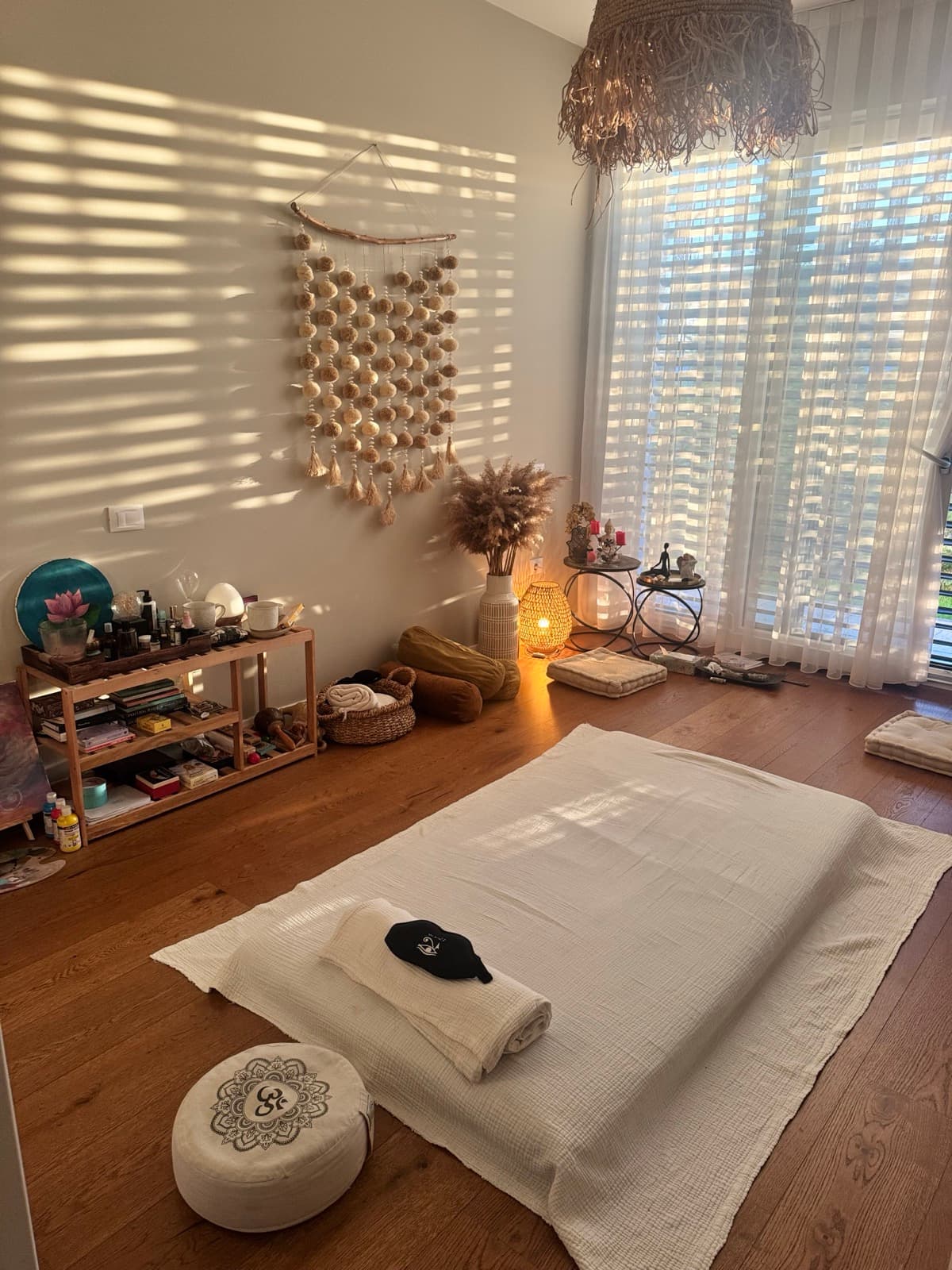
What happens when we stop trying to fix the body and start listening instead.
← Read Part 1: The Body Knows - Where Science Meets Ancient Wisdom
How the Body Releases Without Words
The body doesn't speak in sentences. It speaks in sensation, movement, heat, trembling, tears, sighs, stillness, and sometimes silence.
Release doesn't always look dramatic. Sometimes it's a quiet exhale after years of holding. Sometimes it's a shoulder that finally drops. Sometimes it's grief that moves through without a story attached.
The body releases when it no longer needs to protect. When safety is present -not just intellectually understood, but felt -the tissues soften. The breath deepens. Something lets go that you didn't even know you were carrying.
This is why forcing release doesn't work. You cannot make the body let go. You can only create conditions where letting go becomes possible.
Those conditions are simple but profound: presence, patience, warmth, and the absence of demand.
Why Safety Changes Tissue
The nervous system is always asking one question: Am I safe?
When the answer is no -even subtly, even unconsciously -the body contracts. Muscles tighten. Fascia thickens. Breath becomes shallow. Digestion slows. The heart beats harder. The body prepares for what might come.
This isn't pathology. It's intelligence. The body is doing exactly what it's designed to do in the face of threat.
But when threat becomes chronic -when the nervous system never fully returns to rest -those protective responses become structural. Tension becomes posture. Hypervigilance becomes personality. Survival becomes identity.
This is why cognitive understanding often isn't enough. You can know you're safe and still feel afraid. You can understand your trauma and still live in its grip.
Safety that changes tissue isn't cognitive. It's somatic. It's felt.
It happens in the presence of someone whose nervous system is regulated. It happens when breath slows without effort. It happens when you notice you can stop scanning the room. It happens when softness becomes possible again.
The body doesn't need to be told it's safe. It needs to experience safety. Then it reorganizes around that truth.
Why Breathwork Brings Memory and Gratitude
Breath is the doorway between voluntary and involuntary. Between conscious and unconscious. Between the self you know and the self that knows more than you do.
When we change the breath -especially in sustained, rhythmic ways -we change the nervous system. We shift from sympathetic activation (fight, flight, freeze) into parasympathetic states (rest, digest, connect). We access parts of the brain and body that don't respond to language.
This is why breathwork can bring unexpected things to the surface. Memory without narrative. Emotion without story. Grief you didn't know you were holding. Joy that arrives without reason.
And often -surprisingly often -gratitude. Not gratitude for anything in particular, but gratitude as a state. As if the body, finally allowed to exhale, remembers something it had forgotten: that being alive is good. That despite everything, there is something to thank.
This isn't mystical. The body stores incomplete responses -breaths that were never finished, cries that were never cried, movements that were interrupted. When breath opens the door, these things complete themselves.
And on the other side of completion is relief. And on the other side of relief is often gratitude.
How to Trust Bodily Truth Without Needing External Validation
This is perhaps the hardest part. Because we live in a culture that trusts measurement over sensation. That values proof over knowing. That asks the body to justify itself to the mind.
But the body doesn't need to justify itself. It simply knows what it knows.
The warmth that moves through your chest when something is true. The contraction in your stomach when something is wrong. The way your shoulders rise around certain people. The way your breath deepens around others.
These are not opinions. They are data. They are the body's way of knowing what the mind hasn't yet understood.
Trusting this doesn't mean ignoring reason. It means including the body as a source of intelligence. It means asking not just What do I think? but What do I feel? And not dismissing the answer.
You don't need a peer-reviewed study to validate your own experience. You don't need permission from authority to trust what your body tells you.
The body has been keeping you alive your whole life. It knows things. Let it speak. Let yourself listen.
A Final Word
The body is not a problem to be solved. It is not a machine to be optimized. It is not separate from who you are.
It is the ground of your being. The record of your history. The home of your aliveness.
Science is beginning to understand this. But you don't need to wait for science.
Your body already knows the way.
This piece is an invitation, not a prescription. Take what resonates. Leave what doesn't. Trust what your body tells you as you read.
← Read Part 1: The Body Knows - Where Science Meets Ancient Wisdom
Ready to Experience Somatic Healing?
Book your session today and begin your journey toward healing and transformation.
Book a Session